Upper Eyelids
Excess fat, muscle and skin can be removed from the upper eyelids. When excess eyelid skin hangs over the eyes, surgery may also improve the field of vision.

Blepharoplasty can rejuvenate tired-looking eyes by addressing loose or baggy skin, puffiness and drooping upper eyelids for a more youthful, rested appearance.
Eyelid surgery can help the eyes look brighter and more rested while preserving the natural character of your face.
In metro Atlanta, blepharoplasty—often called an eyelid lift or eyelid surgery—is one of the most requested plastic surgery procedures. The board-certified plastic surgeon at Plastic Surgery Center of the South performs this procedure to rejuvenate the eyes and give patients a more youthful, rested appearance.
The procedure can correct loose, baggy skin under the eyes and improve drooping upper eyelids. Women and men visit our Marietta practice for eyelid surgery from Roswell, Brookhaven, Sandy Springs and other Georgia communities.
Excess fat, muscle and skin can be removed from the upper eyelids. When excess eyelid skin hangs over the eyes, surgery may also improve the field of vision.
Lower eyelid surgery can reduce loose, baggy skin and puffy lower eyelid bags to create a smoother, more rested appearance.
Some patients only need the upper eyelids treated, while others benefit from treating both the upper and lower eyelids during the same procedure.
Eyelid surgery may also be used to correct ptosis, a drooping eyelid condition caused by poor muscle tone or nerve damage that can cause the eyelid to hang very low and block vision. It can be performed by itself or in conjunction with procedures such as a facelift, brow lift or BOTOX® Cosmetic.
Upper blepharoplasty removes excess skin and fat from the upper eyelids to improve heaviness, drooping and a tired appearance.
A brow lift corrects droopy eyebrows, sagging tissue at the outer part of the eyes and crow’s feet. Raising the brow can also have a dramatic effect on the appearance of the eyelids, and the procedures are often combined for more complete rejuvenation.
Dr. Corey Harkins evaluates the upper eyelids, lower eyelids, brow position and overall facial anatomy to determine which approach best matches each patient’s concerns.
He can also discuss when eyelid surgery may be performed alone or combined with another facial rejuvenation procedure for a more comprehensive result.
Upper and lower eyelid surgery typically takes one to three hours depending on the extent of treatment.
Eyelid surgery is usually performed on an outpatient basis using local anesthesia with sedation or under general anesthesia.
In a typical procedure, incisions are made in the creases of the upper lids and just below the lashes in the lower lids. The excisions may extend into the crow’s feet or laugh lines at the outer corners of the eyes.
Your surgeon separates the skin from underlying fatty tissue and muscle, reduces excess fat and may trim sagging skin and muscle before closing the incisions with fine sutures.
If puffy lower eyelid bags are the only concern, a transconjunctival blepharoplasty may be performed through an incision inside the lid, leaving no visible scar. This is normally used for younger patients with thicker, more elastic skin.
After surgery, some swelling and bruising around the eyes is expected. Post-operative discomfort is usually minimal and can be controlled with medication.
Apply cold compresses on the eyes for the first day or two.
Keep your head elevated for several days to help control swelling.
Clean your eyes as directed because they may be gummy for a few days.
Your physician may recommend eye drops to relieve dry or itchy feelings. Excessive tearing, blurred vision or sensitivity to light may also occur during early healing. Sutures are typically removed within the first week.
Healing is gradual, and activity should increase only as your surgeon advises.
You will generally be able to watch television or read after two or three days. If you wear contacts, you will not be able to wear them for about two weeks. Most patients return to work in about a week depending on the extent of bruising and swelling.
For the first few weeks, it is important to avoid activities that raise your blood pressure, including bending, lifting and rigorous sports. Your physician will tell you when it is safe to resume normal activities.
Scars may remain pink for six months or more. Eventually, they typically fade to a thin, nearly invisible white line.

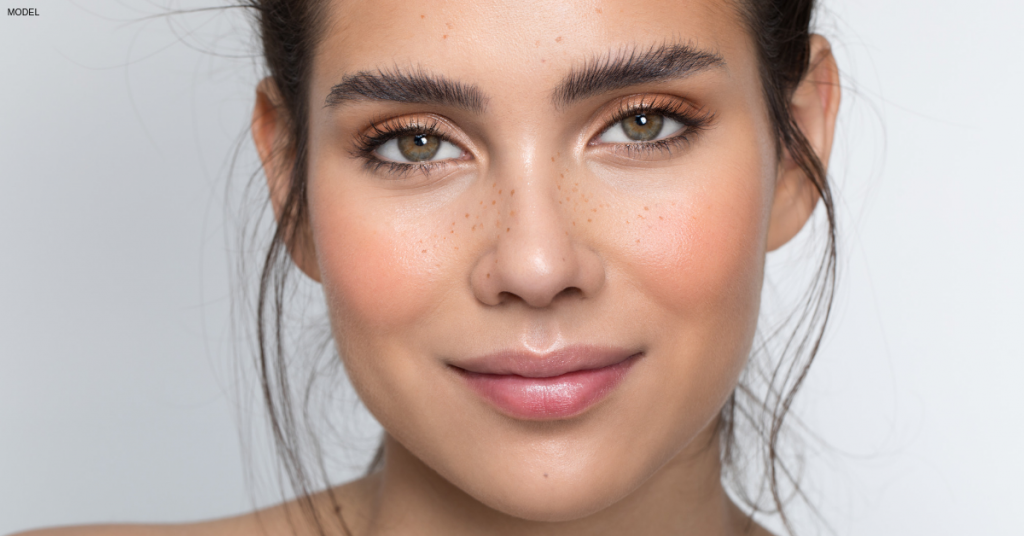

If you are considering facial cosmetic surgery, Dr. Harkins can evaluate your eyelids and surrounding facial anatomy, answer your questions and recommend the treatment plan best suited to your goals.