December 29, 2022

Mommy Makeover Cost in Atlanta: A Breakdown of Fees (Updated 2025)

If do an online search for mommy makeover costs, prepare to see a wide variety of answers. That’s because a mommy makeover can include many different procedures, each tailored to the specific patient’s needs. Still, cost is a key piece of the puzzle when you’re considering undergoing a mommy makeover, and you want to know what to expect. Whether you’re considering a mommy makeover to tighten your midsection, lift your breasts, or get rid of those love handles, you want to prepare your budget for your makeover.

If you feel strongly that a mommy makeover can benefit you, don’t let cost worries put you off. The best thing you can do is understand the components that go into a mommy makeover and the factors that affect the total cost.

Average Cost of Procedures Commonly Included in a Mommy Makeover

Here are some standard procedures included in a mommy makeover and the average cost in Metro Atlanta outlined by RealSelf.

Other procedures can be included, of course. Some women have an arm lift or thigh lift to address sagging skin caused by weight fluctuations.

One benefit of choosing a mommy makeover is that it’s easy to customize your procedure based on the areas you want to improve. However, remember that each procedure you include will increase your surgical time and the cost of your mommy makeover.

How Much Does a Mommy Makeover Cost in Atlanta?

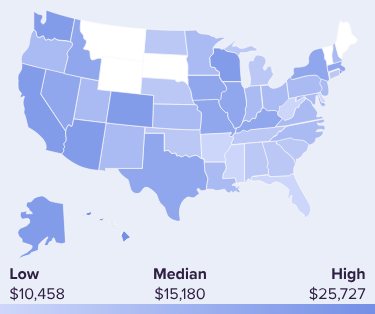
RealSelf reports that the average mommy makeover cost in Atlanta is $16,226. This is slightly above the U.S. median, which is $15,180. The price of a mommy makeover in the United States ranges from $10,458 to $25,727.

Costs in large cities such as Atlanta, Los Angeles, NYC, and Chicago tend to be higher than in smaller towns. Other factors include the plastic surgeon’s credentials, the anesthesiologist’s credentials, and whether you have surgery in a surgery center or hospital.

RealSelf map of mommy makeover costs by state.
Mommy Makeover Costs in the U.S. via RealSelf

Additional Fees for Your Mommy Makeover

Your plastic surgeon works with a team of medical professionals, including anesthesiologists. Anesthesiologists’ fees are usually separate from the plastic surgeon’s fees and will factor into the overall cost. Other costs to consider are:

  • Operating room fees
  • Surgeon’s fee
  • Supply costs such as breast implants
  • Fees associated with an overnight stay (if necessary)

If you include breast implants in your procedure, your choice of implant will affect your cost. For example, saline implants cost about $1,000 per pair, but cohesive silicone gel implants usually run about $2,000 to $3,000 per pair.

The number of areas treated will also affect costs, especially for liposuction. For a single area, physician fees for liposuction are typically $750 to $3,000. The more sites you have liposuctioned, the greater the cost.

Your plastic surgeon will discuss the total cost with you during your consultation based on the procedures included in your mommy makeover.

As you’re preparing your budget, remember to factor in related costs. These can include things like co-pays for your pre-surgery clearance appointment with your primary care physician (if needed), prescription pain medication, and other recovery supplies such as cold packs.

The Cost Savings of a Mommy Makeover

While a mommy makeover can come at a higher price tag based on the number of procedures you choose, there are some benefits. You will have one-time anesthesiology and facilities fees. If you were to have these procedures separately, you would have to bear the cost of separate anesthesiology and facilities fees for each one.

And don’t forget to factor in the cost savings of having only one recovery period rather than two or three Minimizing time off work, childcare expenses, etc. can save you money in the long run.

Choosing a Plastic Surgeon for Your Mommy Makeover

When choosing your plastic surgeon, focus on their credentials and experience in mommy makeovers rather than cost. A board-certified, experienced, and skilled plastic surgeon will get you the best results from your mommy makeover. A less reputable plastic surgeon may offer lower rates, but your results could be less than satisfactory and lead to the costs of corrective procedures.

The American Society of Plastic Surgeons offers resources to help you find a qualified and experienced board-certified plastic surgeon in your area. Remember, you are trusting your surgeon with your physical well-being, so it’s essential to choose someone with the highest qualifications and experience. As we’ve said before, you can’t put a price tag on your safety and satisfaction with your results.

WARNING:

This feature contains nudity. Please click OK to confirm you are at least 18 years of age and are not offended by such material.

Mommy Makeover Before & After Photo | Atlanta, GA | Plastic Surgery Center of the South
Mommy Makeover Before and After by Plastic Surgery Center of the South in Atlanta, GA
Mommy Makeover Before & After Photo | Atlanta, GA | Plastic Surgery Center of the South
Mommy Makeover Before and After by Plastic Surgery Center of the South in Atlanta, GA
Mommy Makeover Before & After Photo | Atlanta, GA | Plastic Surgery Center of the South
Mommy Makeover Before and After by Plastic Surgery Center of the South in Atlanta, GA
Mommy Makeover Before & After Photo | Atlanta, GA | Plastic Surgery Center of the South
Mommy Makeover Before and After by Plastic Surgery Center of the South in Atlanta, GA

The Surgical Facility

Typically, a less researched component of a surgical procedure is the facility where the procedure will take place. Similar to choosing an experienced plastic surgeon, you want to ensure that the surgical facility is state-of-the-art and well-equipped.

Look for a surgery facility that is Quad A-accredited(formerly known as AAAASF), which means it meets the highest standards for operating room safety. Find out what steps they take to ensure your safety and their protocol if you need to be transported to a hospital.

Ambulatory surgery centers generally charge much lower fees than hospitals. Some figures show that surgery center fees are 45% to 60% lower than hospital charges.

Should You Compare Costs When Choosing a Plastic Surgeon?

While cost shouldn’t dictate how you choose a plastic surgeon for your mommy makeover, it’s OK to compare pricing once you have selected a pool of board-certified plastic surgeons. Some things you should do before comparing costs is to schedule a consultation with your top picks, review their credentials, review before and after photos, and check patient testimonials.

Can You Finance Plastic Surgery?

Yes, many plastic surgery patients finance their procedures to spread their costs over time. At Plastic Surgery Center of the South in Marietta, we offer financing through companies like CareCredit® and ALPHAEON®. You can learn more about both on our Fees and Financing page.

When it comes to covering the cost of elective procedures, many of our patients explore other financing options as well. These include:

Personal Loans

  • Banks or Credit Unions : Local banks and credit unions often provide unsecured personal loans that can be used for medical or elective expenses. These loans typically feature fixed interest rates and repayment schedules.
  • Online Lenders : Platforms like SoFi, LightStream, and LendingClub specialize in offering quick access to personal loans for medical needs, often with competitive rates for eligible borrowers.

Credit Cards

While credit cards may not always offer the lowest-cost solution, they can be a viable option for patients who qualify for:

  • 0% Introductory APR Offers : These promotions allow patients to pay off the balance without interest if the full amount is repaid within the promotional timeframe.
  • Rewards Programs : Some cards let patients earn cashback, travel miles, or points on their purchases, offering added value.

Savings or a Dedicated Cosmetic Procedure Fund

Some patients opt to save in advance, setting aside funds in a high-yield savings account dedicated to their procedure. This approach avoids interest charges and debt while ensuring the funds are readily available.

Employer-Sponsored Benefits

Though rare, certain employers may provide wellness benefits, stipends, or reimbursement programs that can be applied to elective procedures. It’s worth checking with your company’s HR department to explore this possibility.

Health Savings Accounts (HSA) or Flexible Spending Accounts (FSA)

These accounts are generally designed for medically necessary expenses, but in some cases, procedures with a medical necessity component, such as reconstructive surgery, may qualify for reimbursement. Patients should consult with their surgeon and account administrator to verify eligibility.

A mommy makeover is about making you feel happy and confident as a mom and a woman. Your mommy makeover experience can be a safe and positive one with the right plastic surgeon by your side. You can see more of our satisfied mommy makeover patients in their before and after photos. If you are ready for your own mommy makeover journey, request a consultation or call us at (770) 421-1242 to schedule an appointment.

Share this article

Recent Posts

October 12, 2026
Choosing to get breast implants is a personal decision, and one of the first questions many women ask is: Should I choose saline or silicone breast implants? Both options can enhance breast size, shape, and symmetry, but they differ in feel, appearance, how they are monitored, and the way they respond if a rupture occurs. Understanding these differences can help you feel more confident as you explore your options. Let’s break down the pros and cons of saline versus silicone breast implants so you can make a more informed decision. What Are Saline Breast Implants? Saline breast implants have a silicone outer shell that is filled with sterile salt water after the implant is placed inside the breast. They are available in different sizes and profiles to help achieve a customized look. Benefits of Saline Implants Smaller incision options: Because saline implants are filled after placement, they can sometimes be inserted through a smaller incision. Easier detection of rupture: If a saline implant ruptures, the saline is absorbed by the body, and the breast typically loses volume as the implant deflates. Adjustable volume: Some saline implants allow the surgeon to adjust the fill volume within the manufacturer's approved range. No need for routine MRI screening for silent rupture: A saline implant rupture is usually noticeable through a change in breast size or shape. Potential Drawbacks of Saline Implants Firmer feel: Saline implants may feel less natural than silicone implants, particularly in women with less natural breast tissue. Visible rippling: Rippling or wrinkles may be more noticeable, especially along the sides or lower portion of the breasts. Less natural movement: Depending on implant placement and the patient's anatomy, saline implants may feel firmer or move less naturally. Saline implants can be a good option for women who value straightforward rupture detection and prefer an implant that is filled during surgery. What Are Silicone Breast Implants? Silicone breast implants contain a silicone outer shell filled with silicone gel. Modern silicone gels are designed to maintain their shape while providing a soft, more breast-like feel. Benefits of Silicone Implants Natural look and feel: Silicone gel often feels more similar to natural breast tissue, making it a popular choice for women seeking a softer result. Reduced visible rippling: Silicone implants may show less rippling than saline implants, especially in women with thinner breast tissue. Softness and movement: Depending on the implant design, placement, and your anatomy, silicone implants can provide a natural-looking contour and movement. A variety of options: Silicone implants come in different sizes, profiles, shapes, and gel characteristics. Potential Drawbacks of Silicone Implants Ruptures can be harder to detect: A silicone implant may rupture without an obvious change in breast size or shape. This is sometimes called a silent rupture. Additional monitoring: The U.S. Food and Drug Administration (FDA) recommends ultrasound or MRI screening for silent rupture beginning five to six years after silicone implant placement, followed by screening every two to three years. Slightly larger incisions may be needed: Silicone implants are prefilled, so the incision may need to accommodate the implant. More involved evaluation if a rupture occurs: A ruptured silicone implant may require additional imaging and, in some cases, surgery. Silicone implants are often appealing to women who prioritize a soft feel and want to minimize visible rippling. Which Implant Is Safer? Both saline and silicone breast implants have established safety profiles when used appropriately, but neither is risk-free. Potential complications with either type include: Capsular contracture, in which scar tissue tightens around the implant. Infection, bleeding, or changes in nipple or breast sensation. Implant rupture, leakage, or deflation. Implant movement, asymmetry, or visible rippling. The possibility of additional surgery over time. Breast implants are not lifetime devices. The longer you have them, the greater the likelihood that you may need another operation for a complication, a change in preference, or implant replacement or removal. There are also uncommon but serious risks associated with breast implants, including breast implant-associated anaplastic large cell lymphoma (BIA-ALCL), which is associated more strongly with certain textured implant surfaces. Other rare implant-associated malignancies have also been reported. It is important to discuss the specific implant's surface, manufacturer information, benefits, and risks with your board-certified plastic surgeon. Do Breast Implants Need to Be Replaced Every 10 Years? You may have heard that breast implants must be replaced every 10 years, but there is no universal rule requiring replacement at that point. Some implants remain intact for many years, while others develop complications. sooner. Replacement or removal may become appropriate because of rupture, capsular contracture, changes in breast shape, discomfort, or personal preference. Silicone implants require special attention because a rupture may not cause obvious symptoms. Following FDA screening recommendations and attending routine follow-up appointments can help identify potential problems. How Do You Choose the Right Implant for Your Body? Choosing between saline and silicone involves more than comparing the materials. During your consultation, your plastic surgeon should consider: Your desired look: Are you hoping for a subtle enhancement, more upper-pole fullness, or a fuller silhouette? Your natural breast tissue: Less tissue may make rippling more visible and influence implant selection and placement. Your lifestyle: Your activities, comfort preferences, and expectations for recovery may affect your decision. Your budget: Consider not only the initial procedure but also follow-up visits, imaging, and the possibility of future surgery. Your long-term priorities: Think about your comfort with rupture monitoring, potential complications, and the possibility of future procedures. Bring questions, photographs of results you like, and an open mind to your consultation. Your surgeon can help you understand which options are realistic for your anatomy. The Bottom Line: Saline or Silicone? There is no single best implant for every woman. Saline implants may be appealing if you value easier rupture detection and the possibility of a smaller incision. Silicone implants may be a better fit if you prioritize a softer feel and reduced visible rippling. Ultimately, the right choice is the one that aligns with your aesthetic goals, anatomy, health considerations, and comfort with long-term monitoring.  Your next step: Schedule a consultation with a board-certified plastic surgeon like Dr. Corey Harkins at Plastic Surgery Center of the South to discuss your options, review implant samples, and develop a personalized plan. Ask about the benefits and risks of each implant type, the manufacturer's patient information booklet, and the follow-up care you can expect. An informed decision is the foundation of a result you can feel confident about. So, why wait call 770-421-1242 and set up your consultation today! Medical disclaimer: This article is for educational purposes only and is not a substitute for personalized medical advice. Breast implant recommendations should be made with a qualified healthcare professional after a thorough consultation.

September 4, 2026
Losing a significant amount of weight can be life-changing. You may feel healthier, more energetic, and proud of how far you’ve come. But sometimes, even after reaching a healthier weight, you may be left with loose or excess skin that diet and exercise cannot correct. If you’re wondering, “Am I a candidate for surgery after weight loss?”, you’re not alone. Procedures such as a tummy tuck, arm lift, thigh lift, breast lift, or body lift can remove excess skin and reshape areas of the body affected by major weight loss. However, not everyone is an ideal candidate, and the decision depends on more than the number on the scale. What Is Post-Weight-Loss Surgery? Post-weight-loss surgery, often called body-contouring surgery, is designed to remove excess skin and improve the shape and proportions of the body after substantial weight loss. Common procedures include: Tummy tuck (abdominoplasty): Removes excess abdominal skin and may tighten separated abdominal muscles. Lower body lift: Addresses loose skin around the abdomen, hips, buttocks, and thighs. Arm lift (brachioplasty): Removes excess skin from the upper arms. Thigh lift: Reshapes the inner or outer thighs by removing excess skin. Breast lift: Raises and reshapes breasts that may have lost volume or changed shape after weight loss. Upper-body lift: Addresses excess skin around the back, chest, and sides. Sometimes, several procedures can be combined, while in other cases they are performed in stages for safety. So, Who Is a Good Candidate? There isn't one specific weight or BMI that automatically makes someone a candidate for post-weight-loss surgery. A plastic surgeon will consider your overall health, weight stability, skin excess, and goals. 1. Your Weight Has Been Stable One of the most important considerations is weight stability. If you're still actively losing a substantial amount of weight, your body will continue to change. Having surgery too early can affect your final results. Many surgeons prefer patients to maintain a stable weight for several months before surgery. Your surgeon can recommend an appropriate timeframe based on your individual situation. 2. You Have Excess or Loose Skin After major weight loss, skin may not fully retract to fit your smaller body. You might notice: Loose abdominal skin Hanging skin on the arms or thighs Excess skin around the back or waist Changes in breast shape or volume Skin folds that make clothing uncomfortable Chafing, irritation, or difficulty maintaining skin hygiene If excess skin is affecting your comfort, mobility, hygiene, or quality of life, body-contouring surgery may be worth discussing with a qualified plastic surgeon. 3. You Are in Good Enough Health for Surgery Body-contouring procedures are still major operations. Your surgeon will evaluate your medical history and overall health to determine whether surgery is appropriate and safe for you. Depending on your circumstances, your evaluation may include reviewing medications, previous surgeries, medical conditions, smoking or nicotine use, and nutritional status. Good nutrition is particularly important after significant weight loss because your body needs adequate protein, vitamins, minerals, and calories to heal properly. 4. You Have Realistic Expectations Body-contouring surgery can dramatically improve the amount of excess skin and the contours of your body, but it cannot create a “perfect” body. Scarring is an expected part of these procedures. Your surgeon should explain where scars will be located and what you can realistically expect from your results. The goal is usually improvement—not perfection. 5. You Understand the Recovery Process Another important consideration is whether you're prepared for recovery. Depending on the procedure, you may need to limit strenuous activity for several weeks. You may also experience swelling, bruising, discomfort, temporary numbness, and changes in sensation while your body heals. If multiple areas are being treated, recovery may be more involved. Before scheduling surgery, ask your surgeon how much time you'll likely need away from work, exercise, childcare, and other responsibilities. What If My BMI Is Still High? BMI can be one factor surgeons consider, but it isn't the only factor. Higher body weight can increase the risks associated with certain operations, including wound-healing problems and other complications. Your surgeon may recommend additional weight loss before proceeding, depending on your individual health and the procedure you're considering. Importantly, there is no universal BMI cutoff that applies to every patient or every procedure. A board-certified plastic surgeon can evaluate your specific circumstances and discuss whether surgery is appropriate now or whether additional weight loss would make surgery safer. What About Loose Skin After Bariatric Surgery? People who have undergone bariatric surgery can experience substantial weight loss and may subsequently develop significant excess skin. In these cases, body-contouring surgery may be considered once weight has stabilized and nutritional health has been assessed. This is particularly important after bariatric surgery because nutritional deficiencies can occur and may affect wound healing. Your surgical team may recommend blood tests or nutritional evaluation before proceeding. Questions to Ask During Your Consultation If you're considering surgery after weight loss, come prepared with questions. You might ask: Am I a good candidate for this procedure? Should I lose more weight before surgery? How long should my weight be stable? Which procedure would address my concerns? Could multiple procedures be combined safely? Where will my scars be? What complications should I know about? How long will recovery take? What can I expect my results to look like? What happens if I lose or gain weight after surgery? A consultation should be a conversation—not a sales pitch. You should feel comfortable asking questions and discussing both the benefits and risks. The Bottom Line If you've worked hard to lose a significant amount of weight and are left with excess skin, you may be a candidate for post-weight-loss body-contouring surgery. The most important factors are generally your overall health, weight stability, the amount and location of excess skin, nutritional status, expectations, and your ability to safely undergo surgery and recovery. The best way to find out whether surgery is right for you is to schedule an evaluation with a board-certified plastic surgeon experienced in post-weight-loss body contouring. Your weight-loss journey doesn't necessarily end when you reach your goal weight. For some people, addressing excess skin can be the next step toward feeling more comfortable and confident in their new body. Call Plastic Surgery Center of the South today at (770) 421-1242 to learn more about weight loss surgery (body lift surgery), or request a consultation online to meet with our board-certified plastic surgeon and discuss your goals.
August 4, 2026
As we age, it's natural for our skin to lose elasticity and firmness. While skincare products, injectables, and non-surgical treatments can help maintain a youthful appearance, there often comes a point when they can no longer address significant signs of aging. That's when many people begin asking the question: Is it time for a facelift? A facelift is one of the most effective procedures for restoring a more youthful, refreshed appearance. But how do you know when you're ready? Here are the key signs that it may be time to consider this transformative procedure. Understanding What a Facelift Can Do A facelift, also known as a rhytidectomy , is a surgical procedure designed to reduce visible signs of aging in the lower face and neck. Rather than simply tightening the skin, modern facelift techniques reposition the underlying facial tissues and remove excess skin for natural-looking, long-lasting results. A facelift can help improve: Sagging cheeks Deep folds around the nose and mouth (nasolabial folds) Jowls along the jawline Loose skin and excess fat beneath the chin Loss of definition in the neck and jawline The goal isn't to make you look like a different person—it's to help you look like a younger, more refreshed version of yourself. Signs It May Be Time for a Facelift You're Seeing Significant Sagging Skin One of the most common reasons patients choose a facelift is noticeable skin laxity. If your cheeks have begun to droop or your jawline has lost its definition, non-surgical treatments may no longer provide the improvement you're looking for. A facelift addresses the underlying structures that contribute to sagging, producing more dramatic and longer-lasting results than injectable fillers alone. Your Jawline Has Lost Definition As facial tissues descend with age, jowls can develop along the jawline. This creates a heavier appearance and can blur the once-sharp contours of your face. If you're constantly trying to hide your jawline in photos or feel self-conscious about your profile, a facelift may be an excellent solution. You Have Loose Skin Around Your Neck Aging doesn't just affect the face—it also impacts the neck. Loose skin, vertical neck bands, and excess fullness beneath the chin can make you appear older than you feel. Many facelift procedures are combined with a neck lift to create smoother, more balanced facial contours. Fillers and Botox Aren't Giving You the Results You Want Injectables like Botox® and dermal fillers are excellent for treating wrinkles and restoring lost volume, especially in the earlier stages of aging. However, they cannot lift significant sagging skin. If you've noticed you're requiring more filler with diminishing results, it may be time to discuss surgical options with a board-certified plastic surgeon. You Want Longer-Lasting Results While non-surgical treatments require regular maintenance every few months to a year, facelift results can last 10 years or more , depending on your age, skin quality, and lifestyle.  If you're looking for a more permanent solution to facial aging, a facelift may provide the longevity you're seeking. What Is the Best Age for a Facelift? There's no "perfect" age for a facelift. Many patients choose the procedure in their 40s, 50s, or 60s , but age alone isn't the deciding factor. The best candidates are those who are experiencing moderate to advanced facial aging while still maintaining good skin quality and overall health. In fact, many surgeons believe it's often better to have a facelift before severe sagging develops, as earlier intervention can produce especially natural-looking results. Are You a Good Candidate? You may be a good candidate for a facelift if you: Have sagging skin around the face or neck Are in good overall health Do not smoke or are willing to stop before surgery Have realistic expectations about your results Want a long-term solution for facial aging A consultation with an experienced plastic surgeon is the best way to determine whether a facelift—or another facial rejuvenation procedure—is right for you. What About Recovery? Recovery varies from person to person, but most patients can expect: Swelling and bruising during the first one to two weeks Return to light daily activities within about two weeks Gradual improvement over several months as swelling resolves Final results becoming more apparent as healing progresses Following your surgeon's post-operative instructions is essential for achieving the best possible outcome. The Right Time Is When You Feel Ready A facelift isn't about looking younger for someone else—it's about feeling confident in your appearance. If the reflection in the mirror no longer matches how youthful and energetic you feel inside, it may be time to explore your options. The best way to know if you're ready is through a personalized consultation. An experienced plastic surgeon can evaluate your facial anatomy, discuss your goals, and recommend the treatment plan that's right for you. Schedule Your Facelift Consultation If you're considering a facelift, don't rely on age alone to make your decision. Whether you're noticing early signs of aging or more advanced facial changes, today's facelift techniques offer natural-looking results that can help you look refreshed—not overdone. Schedule a consultation with Plastic Surgery Center of the South to learn whether a facelift is the right choice for your aesthetic goals. Together, we'll create a personalized treatment plan designed to help you look as vibrant as you feel. Call us today at 770-421-1242!