

WARNING:
This feature contains nudity. Please click OK to confirm you are at least 18 years of age and are not offended by such material.



The holiday season is a time for celebrations, family gatherings, parties, and plenty of photos. With so much to look forward to, it’s the perfect opportunity to give your skin a little extra attention. Whether you want to brighten a dull complexion, soften fine lines, improve skin texture, or achieve a more youthful glow, Plastic Surgery Center of the South offers a variety of skin rejuvenation treatments to help you look and feel your best. Give Your Skin a Holiday Refresh Between busy schedules, stress, and environmental factors, your skin can sometimes look tired or lackluster. Professional skin rejuvenation treatments can help address common concerns and restore a healthier, more refreshed appearance. At Plastic Surgery Center of the South, we offer several nonsurgical options designed to improve skin tone, texture, and overall appearance. Explore Our Skin Rejuvenation Treatments Depending on your skin concerns and aesthetic goals, several treatments may help you achieve your desired holiday glow. HydraFacial® Give your skin a refreshing boost with a HydraFacial®. This treatment deeply cleanses, exfoliates, and hydrates the skin, helping improve its appearance and texture while revealing a smoother, more radiant complexion. Chemical Peels Chemical peels help improve uneven skin tone, fine lines, superficial discoloration, and dullness by exfoliating damaged outer layers of skin. Depending on the type of peel, treatments can range from gentle refreshers to more intensive skin resurfacing. Microneedling with SkinPen® Looking to improve skin texture and minimize the appearance of acne scars, fine lines, or enlarged pores? SkinPen® microneedling stimulates the body's natural collagen production to support smoother, healthier-looking skin. Laser Skin Rejuvenation and Resurfacing Laser treatments can help address sun damage, uneven pigmentation, fine lines, wrinkles, and changes in skin texture. Depending on the treatment, laser rejuvenation can also help improve skin firmness and overall appearance. Dermaplaning For an immediate skin refresh, dermaplaning gently removes dead skin cells and fine facial hair, leaving your complexion feeling smoother and looking brighter. It's a great option for creating a fresh canvas for makeup application. BOTOX® Cosmetic and Dermal Fillers Want to soften wrinkles or restore lost facial volume? Injectable treatments such as BOTOX® Cosmetic and dermal fillers can help refresh your appearance without surgery. Treatment options are customized to your facial features and aesthetic goals. Plan Ahead for Your Holiday Glow One of the best ways to prepare for the holidays is to schedule your treatments early. Some skin rejuvenation procedures require recovery time, multiple sessions, or several weeks before optimal results become visible. For example, HydraFacial® and dermaplaning may be convenient options for patients looking for a quick refresh, while chemical peels, microneedling, and laser treatments may require more advance planning. If you're considering injectables for the first time, it's also important to allow time for results to settle and for any temporary swelling or bruising to resolve. During your consultation, our team can help determine which treatments are appropriate for your skin and create a schedule that works with your holiday plans. Make Time for Yourself This Holiday Season The holidays can be busy, but taking time for yourself is just as important as preparing for celebrations. A personalized skin rejuvenation treatment can be a wonderful way to refresh your appearance and feel more confident heading into the season. Whether you're interested in a hydrating facial, smoother skin, improved texture, or a refreshed appearance, Plastic Surgery Center of the South is here to help you explore your options. Schedule your consultation with Plastic Surgery Center of the South today and let us help you get holiday-ready with skin rejuvenation treatments designed around your goals. Call us today at 770-421-1242 !

Choosing to get breast implants is a personal decision, and one of the first questions many women ask is: Should I choose saline or silicone breast implants? Both options can enhance breast size, shape, and symmetry, but they differ in feel, appearance, how they are monitored, and the way they respond if a rupture occurs. Understanding these differences can help you feel more confident as you explore your options. Let’s break down the pros and cons of saline versus silicone breast implants so you can make a more informed decision. What Are Saline Breast Implants? Saline breast implants have a silicone outer shell that is filled with sterile salt water after the implant is placed inside the breast. They are available in different sizes and profiles to help achieve a customized look. Benefits of Saline Implants Smaller incision options: Because saline implants are filled after placement, they can sometimes be inserted through a smaller incision. Easier detection of rupture: If a saline implant ruptures, the saline is absorbed by the body, and the breast typically loses volume as the implant deflates. Adjustable volume: Some saline implants allow the surgeon to adjust the fill volume within the manufacturer's approved range. No need for routine MRI screening for silent rupture: A saline implant rupture is usually noticeable through a change in breast size or shape. Potential Drawbacks of Saline Implants Firmer feel: Saline implants may feel less natural than silicone implants, particularly in women with less natural breast tissue. Visible rippling: Rippling or wrinkles may be more noticeable, especially along the sides or lower portion of the breasts. Less natural movement: Depending on implant placement and the patient's anatomy, saline implants may feel firmer or move less naturally. Saline implants can be a good option for women who value straightforward rupture detection and prefer an implant that is filled during surgery. What Are Silicone Breast Implants? Silicone breast implants contain a silicone outer shell filled with silicone gel. Modern silicone gels are designed to maintain their shape while providing a soft, more breast-like feel. Benefits of Silicone Implants Natural look and feel: Silicone gel often feels more similar to natural breast tissue, making it a popular choice for women seeking a softer result. Reduced visible rippling: Silicone implants may show less rippling than saline implants, especially in women with thinner breast tissue. Softness and movement: Depending on the implant design, placement, and your anatomy, silicone implants can provide a natural-looking contour and movement. A variety of options: Silicone implants come in different sizes, profiles, shapes, and gel characteristics. Potential Drawbacks of Silicone Implants Ruptures can be harder to detect: A silicone implant may rupture without an obvious change in breast size or shape. This is sometimes called a silent rupture. Additional monitoring: The U.S. Food and Drug Administration (FDA) recommends ultrasound or MRI screening for silent rupture beginning five to six years after silicone implant placement, followed by screening every two to three years. Slightly larger incisions may be needed: Silicone implants are prefilled, so the incision may need to accommodate the implant. More involved evaluation if a rupture occurs: A ruptured silicone implant may require additional imaging and, in some cases, surgery. Silicone implants are often appealing to women who prioritize a soft feel and want to minimize visible rippling. Which Implant Is Safer? Both saline and silicone breast implants have established safety profiles when used appropriately, but neither is risk-free. Potential complications with either type include: Capsular contracture, in which scar tissue tightens around the implant. Infection, bleeding, or changes in nipple or breast sensation. Implant rupture, leakage, or deflation. Implant movement, asymmetry, or visible rippling. The possibility of additional surgery over time. Breast implants are not lifetime devices. The longer you have them, the greater the likelihood that you may need another operation for a complication, a change in preference, or implant replacement or removal. There are also uncommon but serious risks associated with breast implants, including breast implant-associated anaplastic large cell lymphoma (BIA-ALCL), which is associated more strongly with certain textured implant surfaces. Other rare implant-associated malignancies have also been reported. It is important to discuss the specific implant's surface, manufacturer information, benefits, and risks with your board-certified plastic surgeon. Do Breast Implants Need to Be Replaced Every 10 Years? You may have heard that breast implants must be replaced every 10 years, but there is no universal rule requiring replacement at that point. Some implants remain intact for many years, while others develop complications. sooner. Replacement or removal may become appropriate because of rupture, capsular contracture, changes in breast shape, discomfort, or personal preference. Silicone implants require special attention because a rupture may not cause obvious symptoms. Following FDA screening recommendations and attending routine follow-up appointments can help identify potential problems. How Do You Choose the Right Implant for Your Body? Choosing between saline and silicone involves more than comparing the materials. During your consultation, your plastic surgeon should consider: Your desired look: Are you hoping for a subtle enhancement, more upper-pole fullness, or a fuller silhouette? Your natural breast tissue: Less tissue may make rippling more visible and influence implant selection and placement. Your lifestyle: Your activities, comfort preferences, and expectations for recovery may affect your decision. Your budget: Consider not only the initial procedure but also follow-up visits, imaging, and the possibility of future surgery. Your long-term priorities: Think about your comfort with rupture monitoring, potential complications, and the possibility of future procedures. Bring questions, photographs of results you like, and an open mind to your consultation. Your surgeon can help you understand which options are realistic for your anatomy. The Bottom Line: Saline or Silicone? There is no single best implant for every woman. Saline implants may be appealing if you value easier rupture detection and the possibility of a smaller incision. Silicone implants may be a better fit if you prioritize a softer feel and reduced visible rippling. Ultimately, the right choice is the one that aligns with your aesthetic goals, anatomy, health considerations, and comfort with long-term monitoring. Your next step: Schedule a consultation with a board-certified plastic surgeon like Dr. Corey Harkins at Plastic Surgery Center of the South to discuss your options, review implant samples, and develop a personalized plan. Ask about the benefits and risks of each implant type, the manufacturer's patient information booklet, and the follow-up care you can expect. An informed decision is the foundation of a result you can feel confident about. So, why wait call 770-421-1242 and set up your consultation today! Medical disclaimer: This article is for educational purposes only and is not a substitute for personalized medical advice. Breast implant recommendations should be made with a qualified healthcare professional after a thorough consultation.
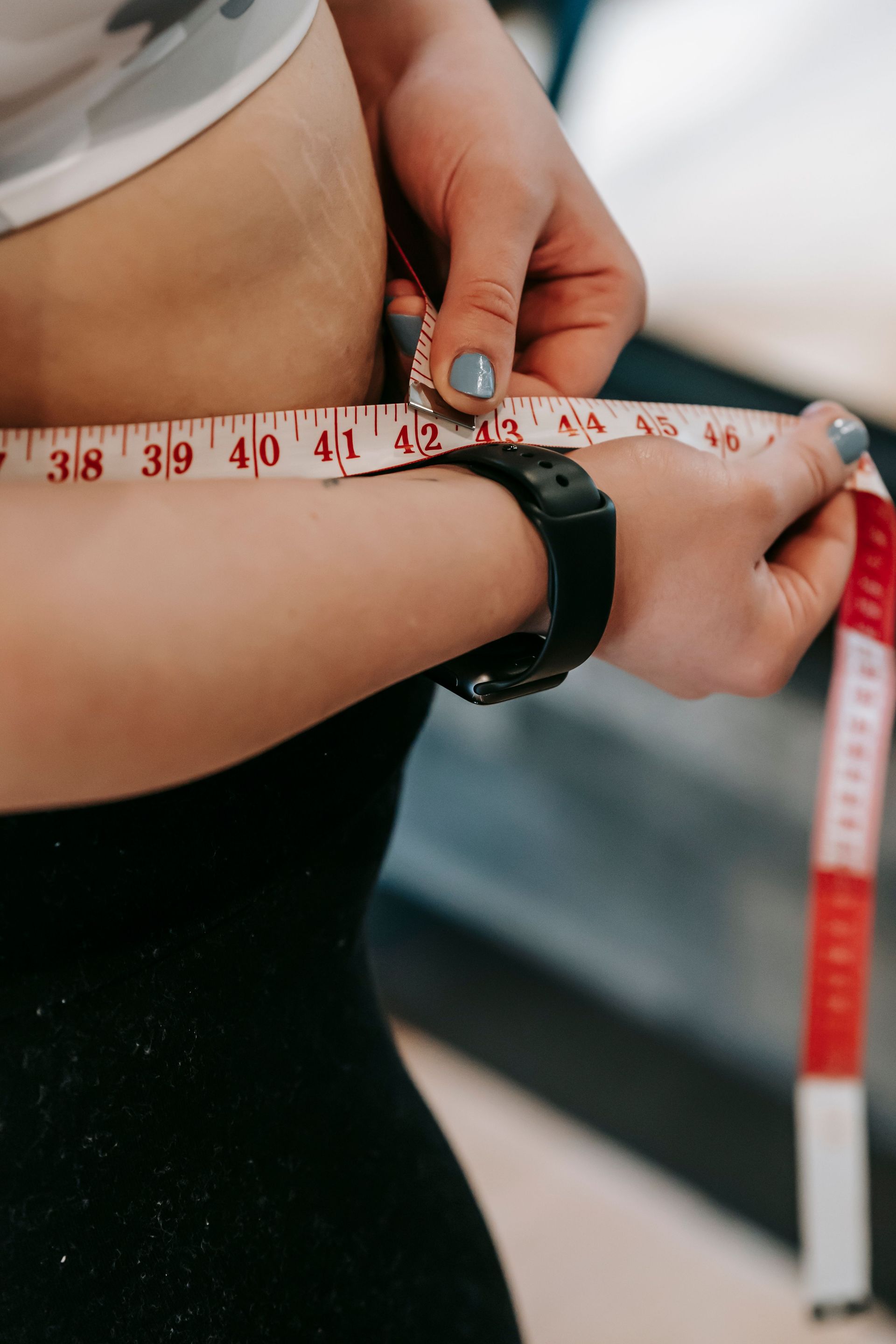
Losing a significant amount of weight can be life-changing. You may feel healthier, more energetic, and proud of how far you’ve come. But sometimes, even after reaching a healthier weight, you may be left with loose or excess skin that diet and exercise cannot correct. If you’re wondering, “Am I a candidate for surgery after weight loss?”, you’re not alone. Procedures such as a tummy tuck, arm lift, thigh lift, breast lift, or body lift can remove excess skin and reshape areas of the body affected by major weight loss. However, not everyone is an ideal candidate, and the decision depends on more than the number on the scale. What Is Post-Weight-Loss Surgery? Post-weight-loss surgery, often called body-contouring surgery, is designed to remove excess skin and improve the shape and proportions of the body after substantial weight loss. Common procedures include: Tummy tuck (abdominoplasty): Removes excess abdominal skin and may tighten separated abdominal muscles. Lower body lift: Addresses loose skin around the abdomen, hips, buttocks, and thighs. Arm lift (brachioplasty): Removes excess skin from the upper arms. Thigh lift: Reshapes the inner or outer thighs by removing excess skin. Breast lift: Raises and reshapes breasts that may have lost volume or changed shape after weight loss. Upper-body lift: Addresses excess skin around the back, chest, and sides. Sometimes, several procedures can be combined, while in other cases they are performed in stages for safety. So, Who Is a Good Candidate? There isn't one specific weight or BMI that automatically makes someone a candidate for post-weight-loss surgery. A plastic surgeon will consider your overall health, weight stability, skin excess, and goals. 1. Your Weight Has Been Stable One of the most important considerations is weight stability. If you're still actively losing a substantial amount of weight, your body will continue to change. Having surgery too early can affect your final results. Many surgeons prefer patients to maintain a stable weight for several months before surgery. Your surgeon can recommend an appropriate timeframe based on your individual situation. 2. You Have Excess or Loose Skin After major weight loss, skin may not fully retract to fit your smaller body. You might notice: Loose abdominal skin Hanging skin on the arms or thighs Excess skin around the back or waist Changes in breast shape or volume Skin folds that make clothing uncomfortable Chafing, irritation, or difficulty maintaining skin hygiene If excess skin is affecting your comfort, mobility, hygiene, or quality of life, body-contouring surgery may be worth discussing with a qualified plastic surgeon. 3. You Are in Good Enough Health for Surgery Body-contouring procedures are still major operations. Your surgeon will evaluate your medical history and overall health to determine whether surgery is appropriate and safe for you. Depending on your circumstances, your evaluation may include reviewing medications, previous surgeries, medical conditions, smoking or nicotine use, and nutritional status. Good nutrition is particularly important after significant weight loss because your body needs adequate protein, vitamins, minerals, and calories to heal properly. 4. You Have Realistic Expectations Body-contouring surgery can dramatically improve the amount of excess skin and the contours of your body, but it cannot create a “perfect” body. Scarring is an expected part of these procedures. Your surgeon should explain where scars will be located and what you can realistically expect from your results. The goal is usually improvement—not perfection. 5. You Understand the Recovery Process Another important consideration is whether you're prepared for recovery. Depending on the procedure, you may need to limit strenuous activity for several weeks. You may also experience swelling, bruising, discomfort, temporary numbness, and changes in sensation while your body heals. If multiple areas are being treated, recovery may be more involved. Before scheduling surgery, ask your surgeon how much time you'll likely need away from work, exercise, childcare, and other responsibilities. What If My BMI Is Still High? BMI can be one factor surgeons consider, but it isn't the only factor. Higher body weight can increase the risks associated with certain operations, including wound-healing problems and other complications. Your surgeon may recommend additional weight loss before proceeding, depending on your individual health and the procedure you're considering. Importantly, there is no universal BMI cutoff that applies to every patient or every procedure. A board-certified plastic surgeon can evaluate your specific circumstances and discuss whether surgery is appropriate now or whether additional weight loss would make surgery safer. What About Loose Skin After Bariatric Surgery? People who have undergone bariatric surgery can experience substantial weight loss and may subsequently develop significant excess skin. In these cases, body-contouring surgery may be considered once weight has stabilized and nutritional health has been assessed. This is particularly important after bariatric surgery because nutritional deficiencies can occur and may affect wound healing. Your surgical team may recommend blood tests or nutritional evaluation before proceeding. Questions to Ask During Your Consultation If you're considering surgery after weight loss, come prepared with questions. You might ask: Am I a good candidate for this procedure? Should I lose more weight before surgery? How long should my weight be stable? Which procedure would address my concerns? Could multiple procedures be combined safely? Where will my scars be? What complications should I know about? How long will recovery take? What can I expect my results to look like? What happens if I lose or gain weight after surgery? A consultation should be a conversation—not a sales pitch. You should feel comfortable asking questions and discussing both the benefits and risks. The Bottom Line If you've worked hard to lose a significant amount of weight and are left with excess skin, you may be a candidate for post-weight-loss body-contouring surgery. The most important factors are generally your overall health, weight stability, the amount and location of excess skin, nutritional status, expectations, and your ability to safely undergo surgery and recovery. The best way to find out whether surgery is right for you is to schedule an evaluation with a board-certified plastic surgeon experienced in post-weight-loss body contouring. Your weight-loss journey doesn't necessarily end when you reach your goal weight. For some people, addressing excess skin can be the next step toward feeling more comfortable and confident in their new body. Call Plastic Surgery Center of the South today at (770) 421-1242 to learn more about weight loss surgery (body lift surgery), or request a consultation online to meet with our board-certified plastic surgeon and discuss your goals.